Homemade Yogurt, Kefir & Fermentation Guides
START HERE
New to home fermentation? Begin with one of the core guides below. Each guide explains the ingredients, temperature, fermentation time, expected texture, storage and reculturing method.
How to make yogurt at home – the complete yogurt guide covering milk preparation, temperature, timing, reculturing and common problems.
How to make milk kefir at home – a detailed comparison of freeze-dried kefir starter and traditional grains, with two fermentation methods.
Step-by-step yogurt and kefir instructions – the visual preparation page for first batches and later recultured batches.
Yogurt and kefir Fermentation Coach – open the guided tool when you need help choosing a method or diagnosing a result.


HOMEMADE YOGURT GUIDES
Homemade yogurt is produced when selected lactic acid bacteria ferment milk and increase its acidity.
Traditional yogurt is defined by the cooperation of Streptococcus thermophilus and Lactobacillus delbrueckii subsp. bulgaricus. Other cultured-milk preparations may also include acidophilus, bifidobacteria, L. rhamnosus, L. gasseri, L. salivarius or L. reuteri. The culture, milk, incubation temperature and fermentation time influence how quickly the milk sets and whether the final result is firm, creamy, mild or sharply acidic.
For a reliable first batch, use clean equipment and suitable milk, follow the temperature stated for the exact culture, and avoid moving the container while the protein structure is forming. A first batch made from a freeze-dried starter commonly needs longer than a later batch made with active finished yogurt.
Complete guide: How to Make Yogurt at Home
Visual method: How to Make Yogurt and Kefir
Why heating or boiling milk improves consistency
How to choose milk for homemade yogurt and kefir
Milk kefir is a fermented milk drink made by bacteria and yeasts working together. It can be prepared with traditional kefir grains or with a freeze-dried kefir starter. The two approaches differ in storage, care and reculturing, but both can make kefir when the culture contains the appropriate bacteria and yeasts.
Room-temperature kefir is normally creamy but pourable and may have a light natural fizz. A freeze-dried starter that is designed for a warmer method can also produce a thicker, yogurt-like kefir. Texture alone does not determine whether a fermented milk is yogurt or kefir; the microorganisms in the culture are the defining factor.
What Is Kefir? How to Make Milk Kefir at Home
Step-by-step kefir preparation and reculturing
Kefir-making questions and community discussions
MILK KEFIR GUIDES
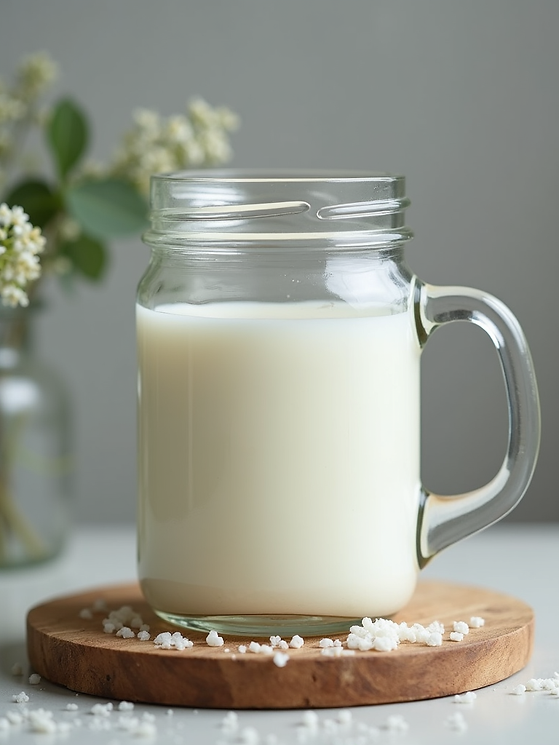

MILK SELECTION AND PREPARATION
Milk is not merely a liquid carrier for the starter. It supplies the sugar, proteins, minerals and fat that shape fermentation. Two cartons that appear similar can behave differently because of protein content, processing, season, breed, storage and added ingredients. This is why the same starter may produce thick yogurt in one batch and a softer or more separated result in another.
Plain pasteurised whole dairy milk without preservatives is usually the easiest starting point. Heating dairy milk to approximately 82-90°C and holding it in that range for about 10-20 minutes can strengthen the final yogurt gel by changing the milk proteins. After heating, cool the milk to the correct culturing temperature before adding the starter. Specialist cultures may require different temperatures, so the instructions for the exact culture should always take priority.
Milk Quality: The Hidden Foundation of Yogurt & Kefir Fermentation
How to choose the perfect milk for homemade yogurt and kefir
Why milk is heated before fermentation
STARTER CULTURE GUIDES
A starter culture is a selected community of microorganisms used to begin fermentation. Different cultures create different foods, flavours, textures and temperature requirements. Traditional yogurt cultures, kefir cultures, Nordic-style mixed cultures, single-species acidophilus cultures and multi-species cultured-milk blends should not all be treated as though they were interchangeable.
Freeze-dried cultures are supplied in a dry, protected form so they can be stored and activated when needed. After the first batch, many cultures can be recultured by transferring a small amount of the finished product into freshly prepared milk. Repeated reculturing is practical and economical, but the result can gradually change with the milk, temperature, hygiene and home environment.
Heirloom or not? Understanding starter culture reculturing
Why strain numbers are not listed on
NPSelection yogurt and kefir starters
Browse all yogurt starter cultures
Browse authentic Bulgarian yogurt starter cultures
Cultured Dairy: Sour Cream, Crème Fraîche, Skyr and Nordic-Style Products
The same basic principles of controlled milk fermentation can be used to prepare many cultured dairy foods. Cream can be fermented into mild crème fraîche or sharper sour cream. Milk can be cultured and strained to make skyr-style products, fresh cheese and other regional preparations. The starter, fat content, temperature, fermentation time and straining method determine the final character.
Nordic-style cultures are especially versatile because they are suitable for mild cultured milk, filmjölk, cultured buttermilk, crème fraîche, sour cream and skyr-style preparations. These products may ferment differently from thermophilic traditional yogurt, so they should be prepared according to the culture-specific instructions.
How to Make Traditional Cultured Sour Cream
Cheese, butter and cultured-cream discussions

PLANT-BASED FERMENTATION
Plant-based drinks do not contain the same lactose, casein and whey-protein structure as dairy milk. They may ferment, but the texture, acidity and ability to reculture can be less predictable. Soy and cashew drinks with simple ingredient lists are often among the more practical options. Thickeners, added sugar, preservatives and stabilisers can alter the result, so always check the label and follow guidance for the selected culture.
For standard dairy starter cultures, activating the first sachet in dairy milk usually provides the most controlled starting point. People who require a vegan-made culture can instead choose a culture produced in a plant-based medium and follow its dedicated preparation instructions.
Working with vegan milks: forum questions and practical experience
FERMENTATION SCIENCE EXPLAINED
Fermentation is a biological process, not simply a timer-based recipe. Microorganisms use available nutrients and produce acids and other compounds. As acidity rises, milk proteins reorganise and the texture changes. Temperature affects microbial activity, while the milk composition affects the structure that can form.
Time is useful as a guide, but pH, taste, smell and texture give more direct information about what is happening in a batch. Understanding these relationships helps explain why one milk sets faster, why another releases more whey and why over-incubation produces excessive acidity and separation.
How Fermentation Changes Milk - explained simply
The Deep Science of Yogurt & Kefir: Why pH Matters More Than Time
Lactic Acid Bacteria Explained Simply


TROUBLESHOOTING
Most unsuccessful batches can be traced to a small number of variables: unsuitable milk, incorrect temperature, insufficient or excessive fermentation time, detergent residue, movement during incubation or contamination. A thin texture does not always mean that fermentation failed, particularly with room-temperature kefir, goat's milk or lower-protein milk.
A normal fermented batch should develop a clean, pleasantly acidic smell and a result appropriate to the selected culture. Discard a batch when the colour, smell or appearance is clearly abnormal, when mould is present, or when you are uncertain about its safety. Clean the equipment thoroughly and restart with fresh milk and a fresh culture.
Detailed yogurt troubleshooting within the complete yogurt guide
Detailed milk kefir troubleshooting
Browse yogurt-making questions
Community Knowledge and Real Fermentation Questions
Home fermentation varies from kitchen to kitchen. The NPSelection Forum complements the formal guides with real questions about milk brands, incubation, texture, reculturing, vegan drinks, kefir grains, cheese and cultured cream. These discussions are useful when your result does not match a textbook example or when you want to compare experiences with other home fermenters.
Milk Bank and milk-brand suggestions